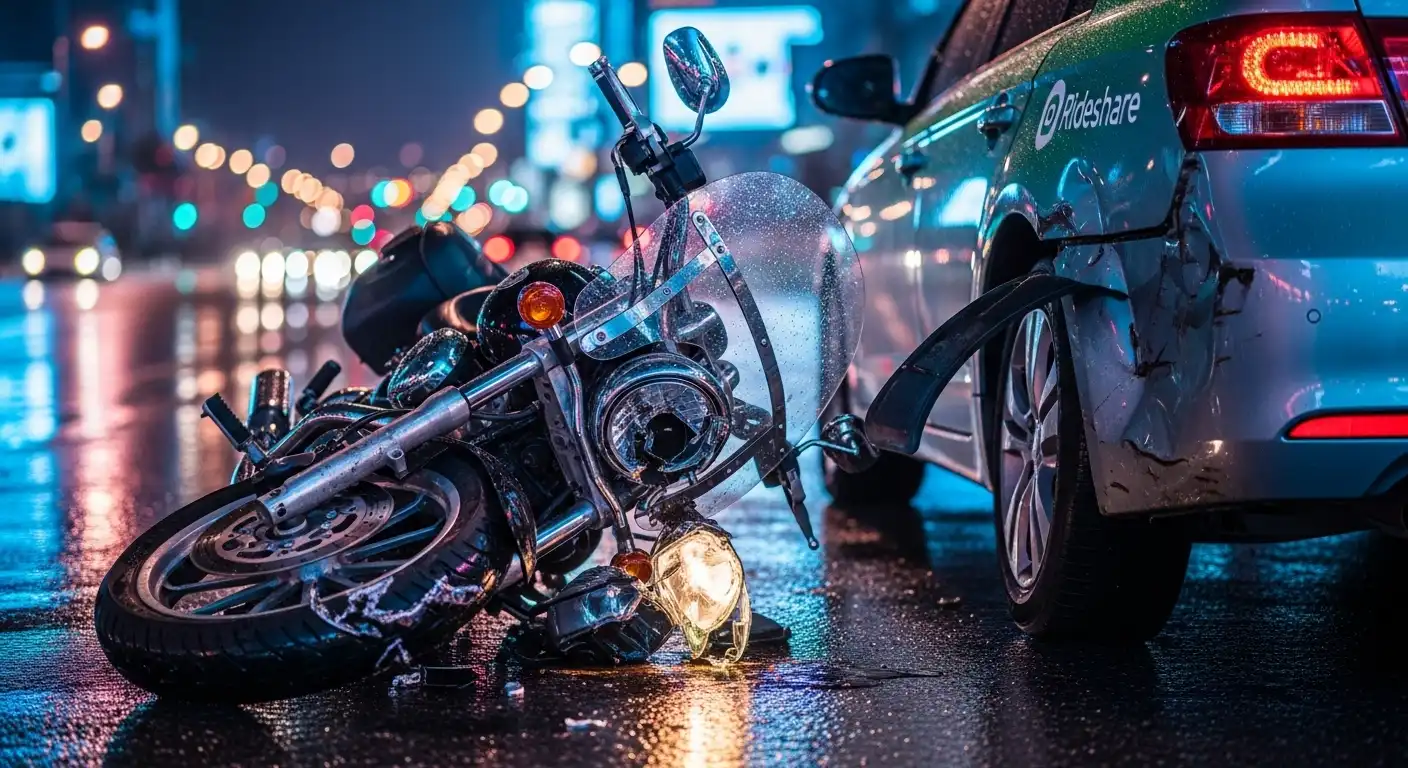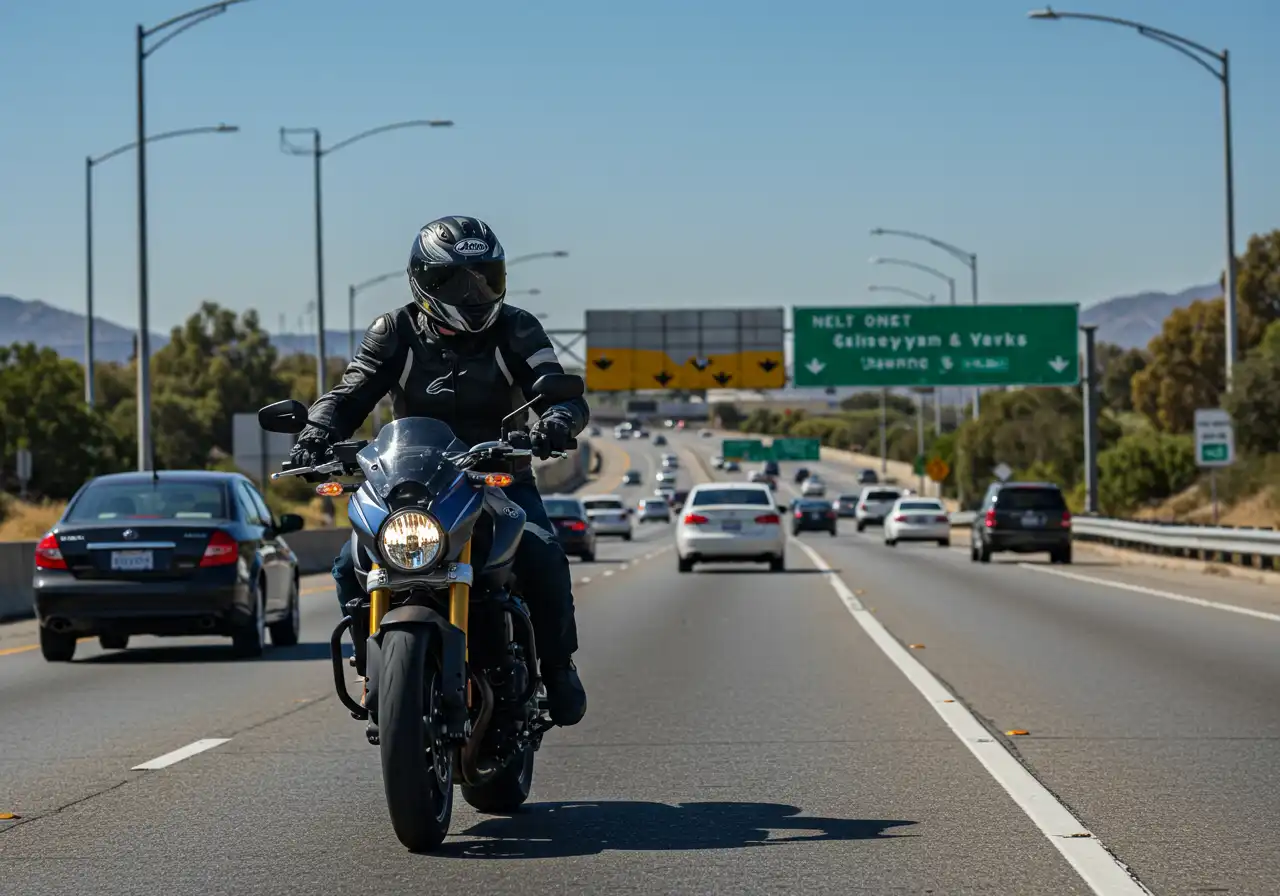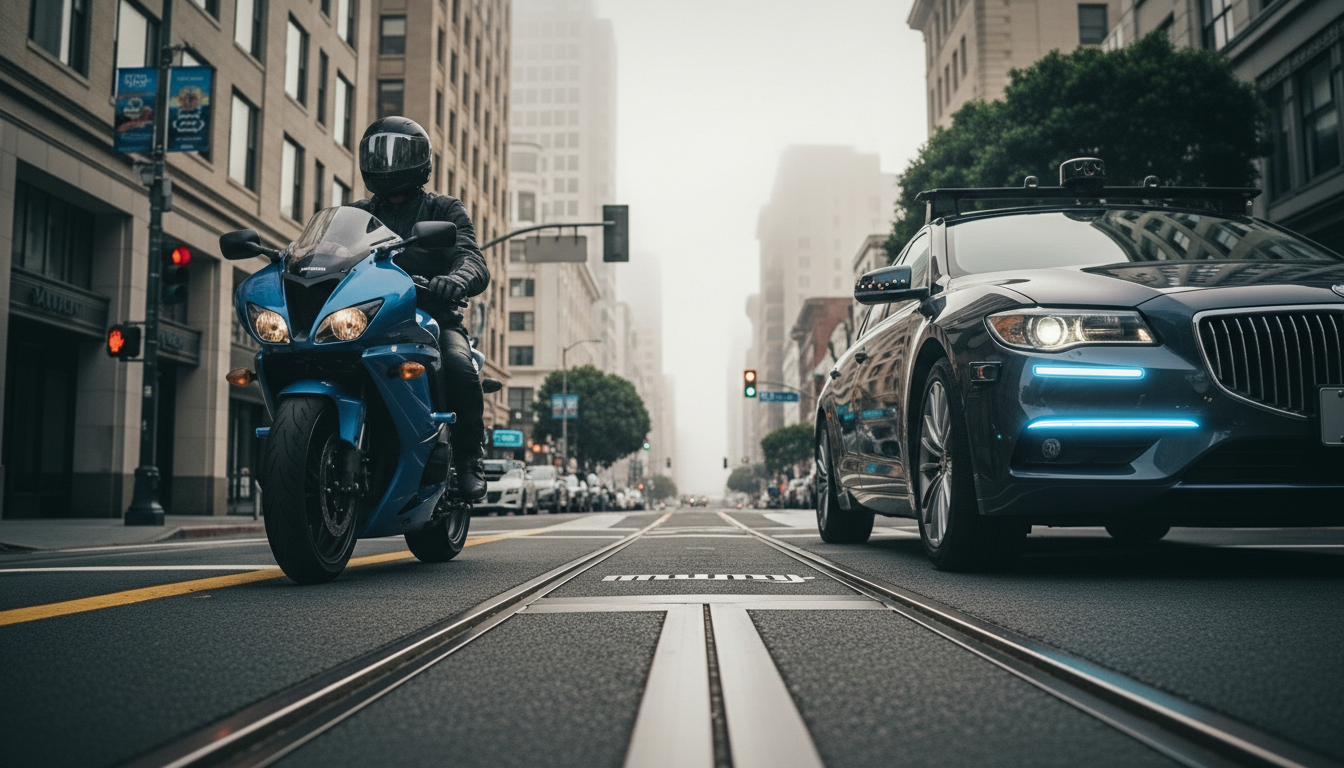
Motorcycle riders in California have always faced unique dangers on the road. From distracted drivers to heavy traffic congestion, motorcyclists remain among the most vulnerable roadway users.
In 2026, another growing concern is becoming more common across San Francisco and the Bay Area: motorcycle crashes involving self-driving vehicles and advanced driver-assistance systems.
Cars equipped with features like lane assist, adaptive cruise control, automatic emergency braking, and autopilot-style driving modes are now widespread. While these technologies are designed to improve safety, they may also introduce new risks for motorcyclists when systems fail to recognize or respond appropriately to smaller vehicles.
Understanding how these accidents happen and how liability is evaluated may help injured riders and families make informed decisions after a crash.
What Are Self-Driving Cars and Driver-Assistance Systems?
Most vehicles on the road today are not fully autonomous, but many include advanced driver-assistance systems, often called ADAS.
These systems rely on cameras, sensors, radar, and software algorithms to help drivers with certain tasks. Common examples include:
- Automatic emergency braking
- Lane departure warnings and lane-keeping assistance
- Blind spot monitoring
- Adaptive cruise control
- Traffic-aware steering support
- Autopilot or partial self-driving modes
Companies like Tesla, Mercedes, GM, and others continue expanding these features, and California remains one of the most active testing and deployment environments for autonomous driving technology.
Why Motorcycles Face Higher Risk Around Self-Driving Vehicles
 Motorcycles present challenges that many driver-assistance systems still struggle to handle consistently.
Unlike passenger vehicles, motorcycles are smaller, narrower, and may appear differently in sensor detection systems. Riders may also maneuver in ways that automated technology does not always anticipate.
Some of the key reasons motorcycles may face increased risk include:
- Reduced visibility: Motorcycles can be harder for cameras and radar to detect, especially in poor lighting.
- Blind spot limitations: Even advanced blind spot systems may not reliably register motorcycles.
- Speed misjudgment: Automated systems may miscalculate how quickly a motorcycle is approaching.
- Unexpected rider movement: Riders may change position quickly to avoid hazards, confusing automated responses.
The National Highway Traffic Safety Administration continues monitoring crashes involving automated driving features, especially when vulnerable road users such as motorcyclists are involved.
Common Motorcycle Accident Scenarios Involving Self-Driving Cars
Motorcycle crashes involving driver-assistance technology tend to occur in several recurring situations.
Sudden Lane Changes Into a Rider
A vehicle using lane-keeping assistance may drift or merge unexpectedly. If the driver relies too heavily on automation, they may fail to check mirrors or blind spots before moving into a motorcyclist’s path.
Rear-End Collisions From System Failure
Automatic emergency braking systems are designed to prevent rear-end crashes, but motorcycles may not always be detected early enough. This can lead to severe impacts, especially in stop-and-go Bay Area traffic.
Intersection Turning Accidents
Left-turn collisions remain one of the most dangerous crash types for motorcyclists. If an automated system misjudges distance or speed, a vehicle may turn directly in front of a rider.
Confusion in Dense Urban Traffic
San Francisco streets often involve complex driving conditions: pedestrians, cyclists, delivery vehicles, and rapid lane shifts. Driver-assistance systems may not always respond smoothly in these environments.
Who May Be Liable in a Self-Driving Motorcycle Crash?
One of the most important questions after these accidents is fault. Motorcycle crashes involving automated technology may involve multiple responsible parties.
Depending on the facts, liability may fall on:
- The driver: Drivers are still expected to supervise their vehicles, even when automation is active.
- The vehicle manufacturer: If technology defects contributed to the crash, manufacturers may face liability.
- The software developer: Some crashes involve failures in detection or response programming.
- Other negligent drivers: Multi-vehicle collisions may still involve third-party fault.
California follows comparative negligence rules, meaning more than one party may share responsibility depending on the circumstances.
Evidence Becomes Even More Important in These Cases
Motorcycle accident claims involving advanced technology often require deeper investigation than traditional crashes.
Important evidence may include:
- Dashcam or helmet camera recordings
- Vehicle computer and sensor data logs
- Crash reconstruction reports
- Police accident documentation
- Eyewitness statements
- Manufacturer system performance records
In many cases, determining what the automated system was doing at the moment of impact becomes central to the claim.
Steps Riders Should Take After a Crash Involving Self-Driving Technology
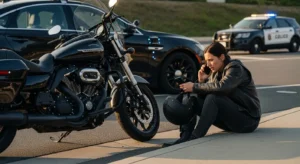 If you are involved in a motorcycle accident with a vehicle using driver-assistance features, certain steps may help protect your rights:
- Seek Medical Care Immediately – Even injuries that feel minor may worsen later.
- Call Law Enforcement – A formal crash report is critical in complex liability cases.
- Document the Vehicle – Take photos of the car, make, model, and any visible technology features.
- Preserve Video Evidence – Helmet cams and nearby traffic cameras may provide key proof.
- Speak With a Motorcycle Accident Lawyer – These claims often require technical and legal review.
Internal Links for Riders Seeking More Information
If you want to explore related motorcycle accident topics, these resources may help:
Conclusion
Self-driving technology and driver-assistance systems are expanding rapidly across California roads. While these innovations are marketed as safety tools, motorcycle riders remain at increased risk when automated systems fail to detect smaller vehicles or when drivers rely too heavily on partial automation.
If you or a loved one has been injured in a motorcycle accident involving a self-driving or assisted-driving vehicle, determining liability may require careful investigation and legal guidance.