Motorcycle accidents are dangerous enough, but when the responsible driver leaves the scene of the crash, the situation becomes much more complex. If you’re involved in a hit-and-run motorcycle accident in California, you may feel confused and unsure of your next steps. It’s essential to understand your rights, how to gather evidence, and how to protect yourself legally, especially in cases where the other driver flees the scene. In this guide, we’ll walk you through the necessary steps to take after a hit-and-run motorcycle accident and help you understand the process for securing compensation.
What Is a Hit-and-Run Motorcycle Accident?
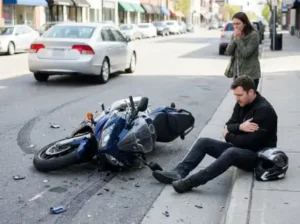 A hit-and-run accident occurs when a driver causes an accident and then leaves the scene without stopping to provide contact information, help the injured, or report the incident. In California, hit-and-run accidents are taken very seriously, and drivers who flee the scene face severe penalties. Unfortunately, motorcycle riders are particularly vulnerable in hit-and-run incidents due to the smaller size and less visible nature of motorcycles on the road.
Immediate Steps to Take After a Hit-and-Run Motorcycle Accident
If you are the victim of a hit-and-run motorcycle accident in California, it’s important to stay calm and follow a series of steps to protect your health and your legal rights. Here’s a breakdown of what to do immediately after the accident:
1. Seek Medical Attention
First and foremost, your health should be your primary concern. Even if you feel fine or have only minor injuries, it’s essential to seek medical attention. Motorcycle injuries can be deceptive, and injuries such as whiplash or internal trauma might not immediately be apparent. Be sure to see a healthcare provider who can document your injuries, which will be crucial for your insurance claims and any legal actions that follow.
2. Call the Police
In California, reporting a hit-and-run accident to law enforcement is critical. The police will investigate the scene, take your report, and attempt to locate the responsible driver. Without a police report, it can be much harder to file an insurance claim or pursue a personal injury lawsuit. When filing your report, be as detailed as possible about the accident, the location, and any information you remember about the fleeing vehicle.
3. Gather Evidence
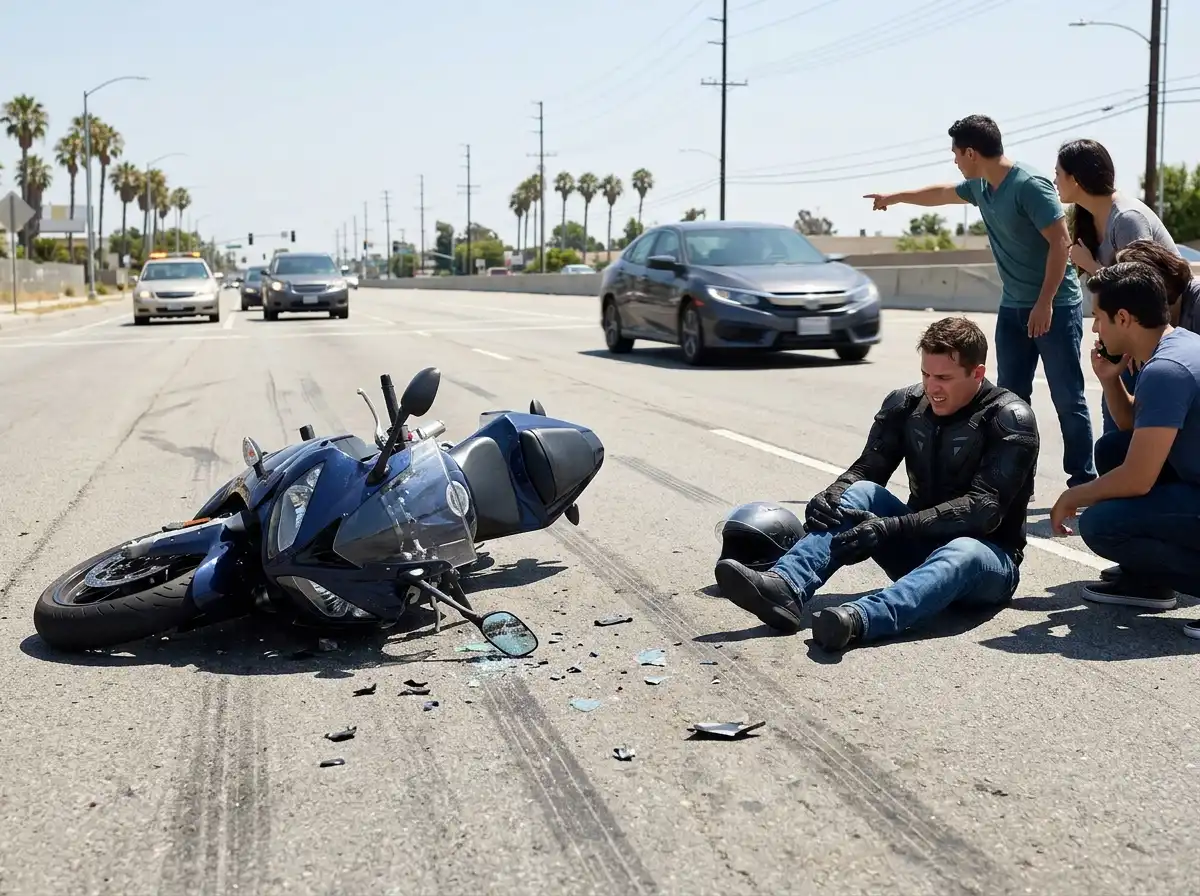
If you are physically able, gather as much evidence as possible. Take photos of your motorcycle, the scene, and any visible damage to your bike and surroundings. This evidence will be invaluable in proving your case, especially if the responsible driver is not immediately located.
In addition to photos, get the contact information of any witnesses who saw the accident or the vehicle involved. Witness statements can play a crucial role in identifying the hit-and-run driver and confirming the details of the crash.
4. Try to Remember Details About the Fleeing Vehicle
If the other driver fled the scene, try to remember as many details as possible about their vehicle. Things to focus on include:
- The make, model, and color of the vehicle
- Any visible damage to the vehicle
- Partial or full license plate number
- Any distinguishing features (stickers, dents, or marks)
Even partial information can be extremely helpful to law enforcement and your insurance provider.
5. Report the Incident to Your Insurance Company
After you’ve called the police and gathered your evidence, report the accident to your insurance company. California law requires that you report any accident, even if you are not at fault. If the driver who caused the accident cannot be found, your uninsured motorist (UM) coverage may help cover your medical expenses, bike repair, and other damages.
Make sure to provide your insurance company with all relevant details and evidence, including the police report and any information you have about the vehicle that left the scene.
Legal Liability in Hit-and-Run Motorcycle Accidents
While you may not always be able to identify the driver responsible for the hit-and-run, California’s comparative negligence laws allow victims to file a claim under uninsured motorist (UM) coverage. If the at-fault driver is caught, they may face criminal charges and civil liability.
Criminal Penalties for Hit-and-Run Drivers
In California, hit-and-run drivers can face severe criminal penalties, including fines, license suspension, and jail time. The exact penalties will depend on the circumstances of the accident, such as whether there were injuries or fatalities involved. If the accident results in serious injury or death, the hit-and-run charge could be classified as a felony.
How to Prove Fault in a Hit-and-Run Case
Proving fault in a hit-and-run case can be challenging, but it is possible with the right evidence. Eyewitness testimony, video footage, and dashcam recordings can help identify the fleeing driver. If the driver is not located, your uninsured motorist coverage may still cover medical bills, damages, and lost wages, as long as your insurance policy includes it.
Why You Should Contact a Motorcycle Accident Lawyer

After a hit-and-run motorcycle accident, it’s important to consult with an experienced motorcycle accident lawyer to protect your legal rights and ensure that you receive fair compensation for your injuries. A lawyer can help:
- Gather and preserve evidence
- Assist in identifying the at-fault driver (if possible)
- Negotiate with your insurance company
- File a lawsuit if necessary to seek compensation
Experienced attorneys who specialize in motorcycle accidents can guide you through this complicated process and help maximize your recovery.
Conclusion
A hit-and-run motorcycle accident in California can leave riders feeling confused and overwhelmed, but by taking the right steps immediately, you can ensure your safety, protect your rights, and increase your chances of securing compensation. Remember to seek medical attention, call the police, gather evidence, and report the accident to your insurance company. Consulting with an experienced motorcycle accident lawyer will also be crucial in navigating this complex legal process.