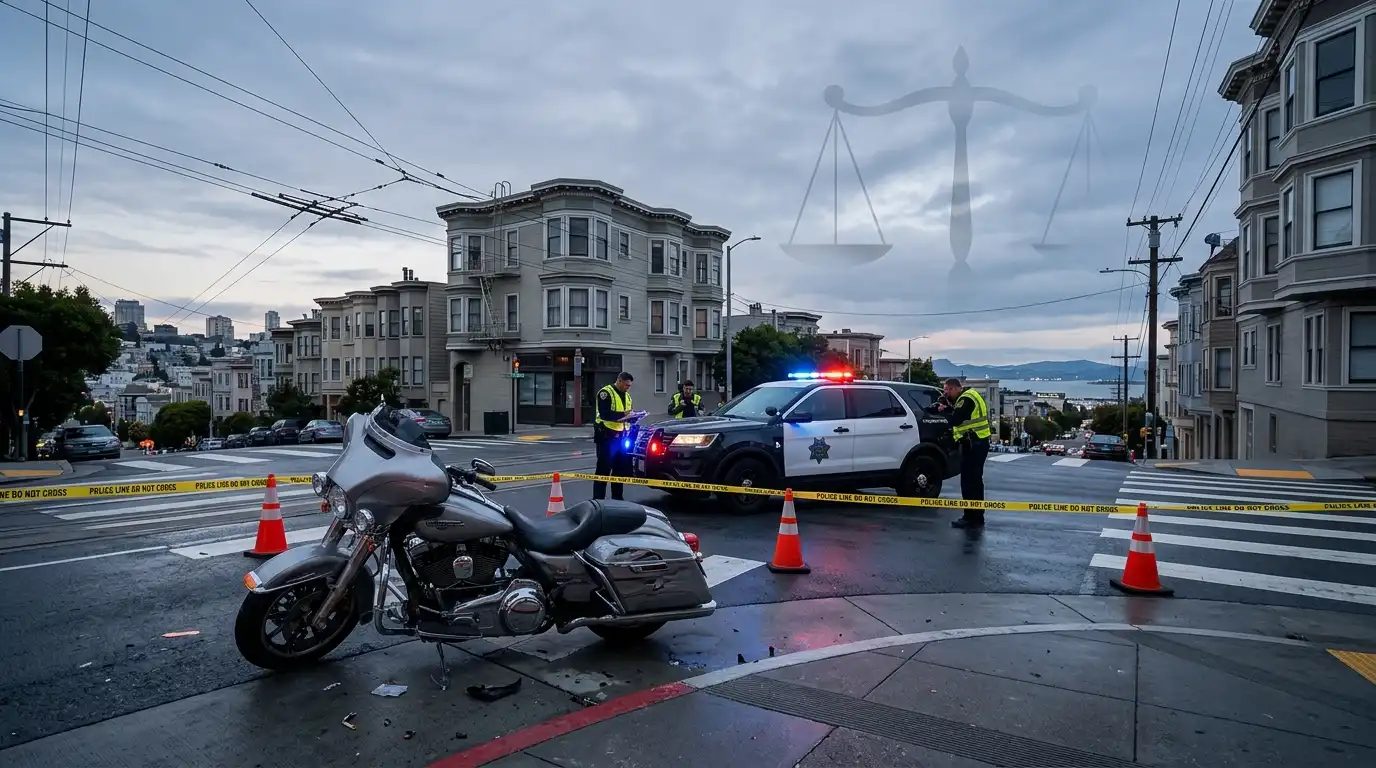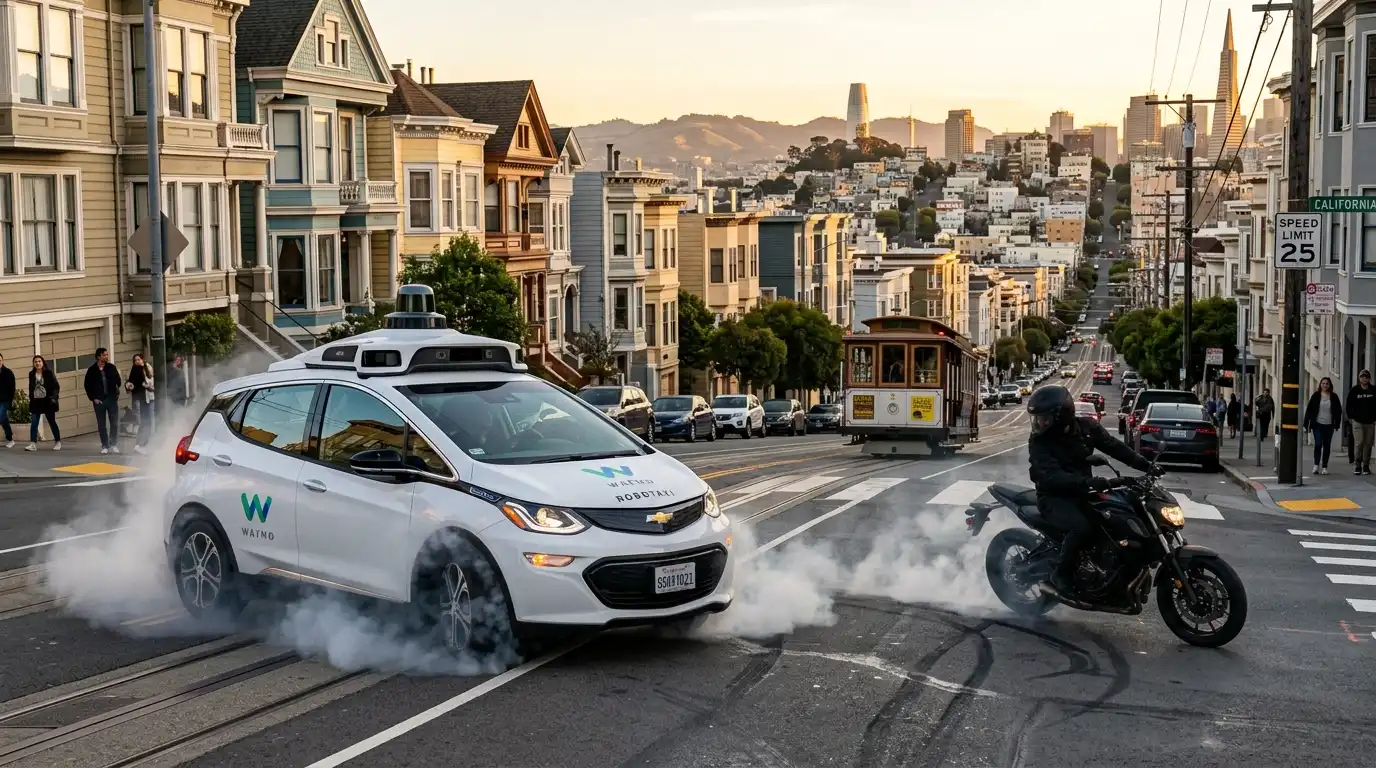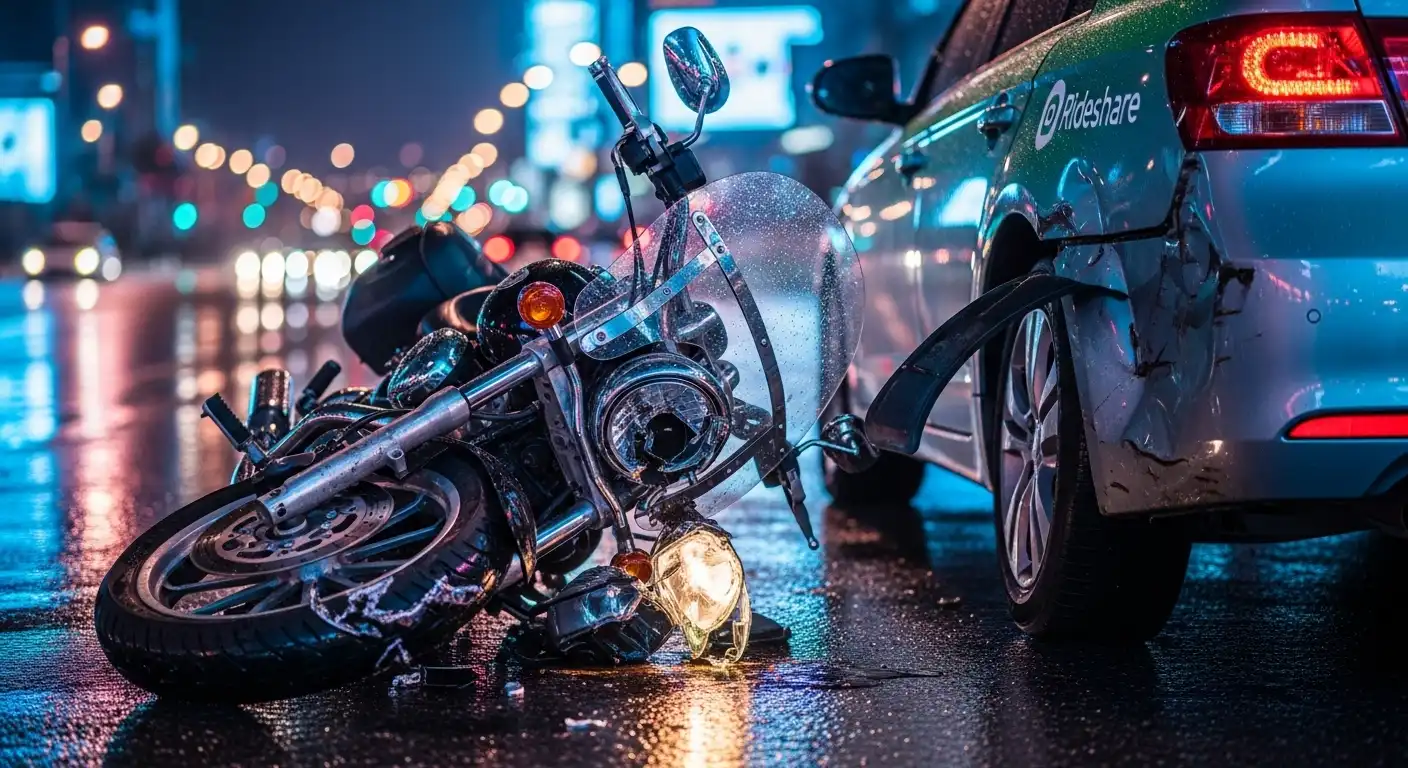
As rideshare services become more common on San Francisco’s streets, motorcycle riders face a rising number of complex risk scenarios. Whether it’s a vehicle stopping abruptly to pick up a passenger, a rideshare driver changing lanes unexpectedly while navigating traffic, or a door opening into a motorcycle’s path — these interactions may lead to serious accidents. Understanding how these crashes happen and what to look for afterwards might help protect a rider’s rights.
Why Rideshare-Motorcycle Interactions Are Especially Risky
 Rideshare vehicles (such as those operating under the Uber or Lyft banner) often stop in curb lanes, pull out unexpectedly, or make pickups in non-designated zones. A motorcycle rider approaching at speed may have insufficient time to react. Because a motorcycle is smaller, less visible, and has less margin for error than a car, any sudden manoeuvre by a rideshare vehicle raises serious risk.
Data supports the elevated risk for two-wheeled riders in the city. For example, one study reports that San Francisco has one of the highest motorcycle accident rates of large California cities.
Typical Collision Scenarios Involving Motorcycles and Rideshare Vehicles
- Sudden stops or pickups: A rideshare car may pull into traffic or stop mid-lane to load or unload a passenger, leaving a motorcycle behind little time to brake or swerve.
- Unannounced lane changes: Rideshare drivers navigating urban streets may change lanes or merge without proper signalling — a motorcycle in the adjacent lane may be cut off, or forced into evasive action.
- Door opening hazard: A passenger in a rideshare vehicle opens their door into the path of a passing motorcycle — the smaller form factor of the biker means the consequence may be more severe.
- Blind spot / merging conflicts: Rideshare vehicles merging into traffic from curb zones may fail to see a motorcycle, particularly in heavy city traffic with multiple lanes and frequent stops.
What Motorcycle Riders Should Do If A Rideshare Vehicle Is Involved
When a motorcycle crash involves a rideshare vehicle, the steps taken immediately afterwards matter for both safety and possible legal rights. Consider the following actions:
- Document The Scene Immediately. Photograph the rideshare vehicle (including signage, company logo), your motorcycle damage, skid marks or scuffing, road conditions, curb zones or parking zones, and traffic flow.
- Gather Witness Information. Rideshare passengers, bystanders or other drivers may have seen the vehicle’s manoeuvre. Record names, contact information and statements if possible.
- Check For Camera / App Footage. Many rideshare vehicles have dash-cams or app-driven logs; nearby buildings, traffic cameras or even other drivers’ dash-cams may have captured the moment of the incident.
- Establish The Stoppage Or Pickup Location. Was the rideshare vehicle picking up in a permitted zone or stopped in a travel lane? Was the vehicle visible to a motorcycle rider? Was the manoeuvre safe and expected in traffic conditions?
- Speak With A Lawyer Who Understands Rideshare Collision Dynamics. Because rideshare companies, driver-status and insurance coverage add complexity, legal guidance may help determine parties who may share responsibility (the driver, the rideshare company, the local pickup policy).
Legal Considerations When A Rideshare Vehicle Is Involved
The involvement of a rideshare vehicle in a motorcycle crash may raise specific legal issues. Some of these include:
- Was the rideshare driver logged into the app and available for hire when the crash occurred (which may affect what insurance applies)?
- Did the rideshare driver fail to follow safe pickup/drop-off procedures (for example, stopping in a travel lane)?
- Did the rideshare company have safety policies in place for curb-zone stops, door openings, merging drivers and driver training?
- Did the rider’s actions contribute to the crash (for instance, was the motorcycle weaving or moving aggressively)? If so, comparative fault may be relevant.
In a city like San Francisco, where rideshare traffic and motorcycles share dense roadways, these questions can influence how liability is assessed and how evidence is collected.
Internal Link Opportunities
Consider linking this article to existing blog posts on your site that discuss motorcycle safety, accident-response steps, or Bay Area specific factors. For example:
Final Thoughts
Motorcycle riders in San Francisco share the road with an increasing number of rideshare vehicles—each bringing their own risk factors. Awareness of how rideshare cars stop, merge and pick up passengers may help a rider anticipate hazards. When a collision occurs, especially one involving a rideshare vehicle, prompt documentation, investigation and legal review may make a meaningful difference in identifying who was at fault and what evidence is available.
Although the urban environment is challenging, informed riders are better prepared—and when accidents occur, knowing the right questions to ask and the right evidence to seek may position a rider more confidently during the aftermath.