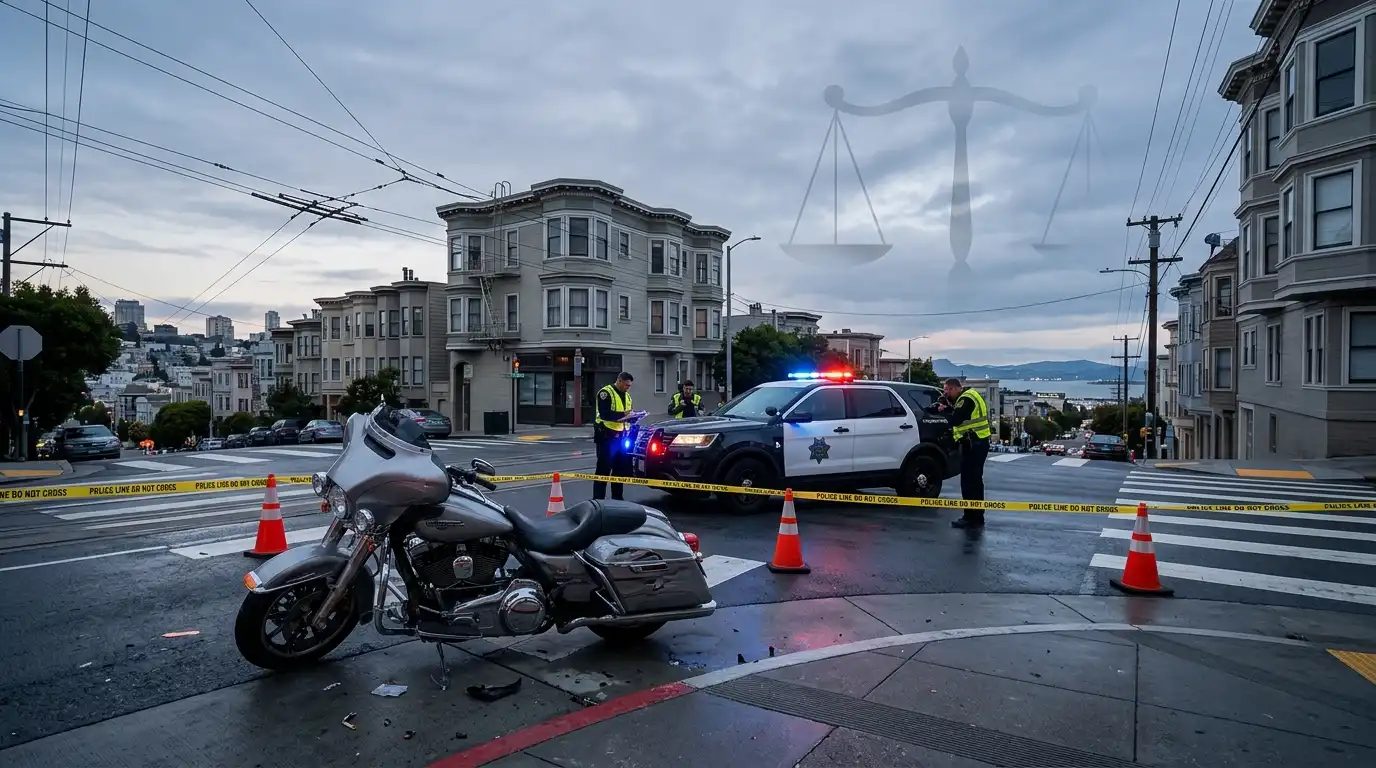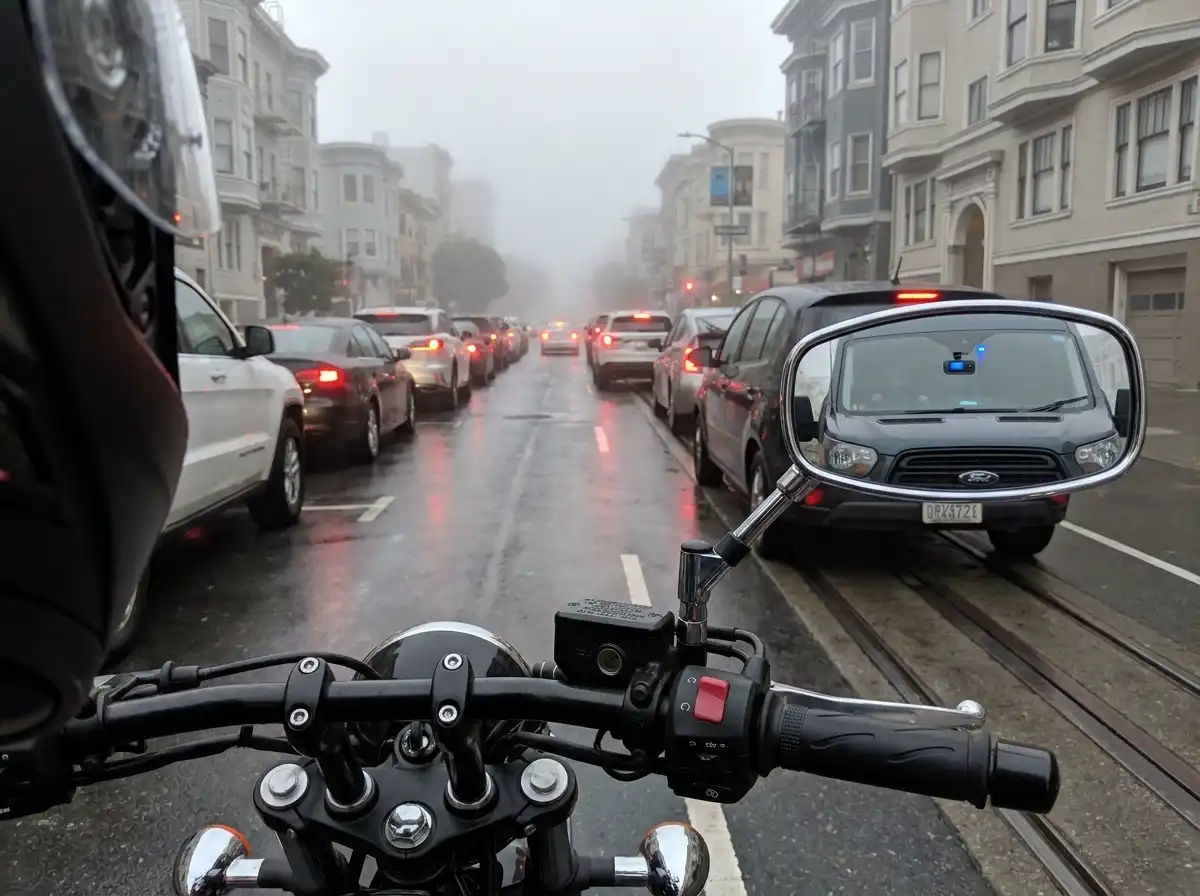
For motorcyclists navigating the dense gridlock of Northern California, lane-splitting is not a reckless stunt—it is a vital tool for traffic survival. Officially codified under California Vehicle Code Section 21658.1, the practice of riding between rows of stopped or moving vehicles is completely legal. It keeps riders moving, prevents air-cooled engines from overheating on clogged hills, and drastically reduces the risk of a motorcyclist being crushed in a devastating rear-end collision. However, as corporate defense tactics evolve in 2026, insurance companies are discovering complex technological loopholes designed to exploit these very protections and systematically deny rider claims.
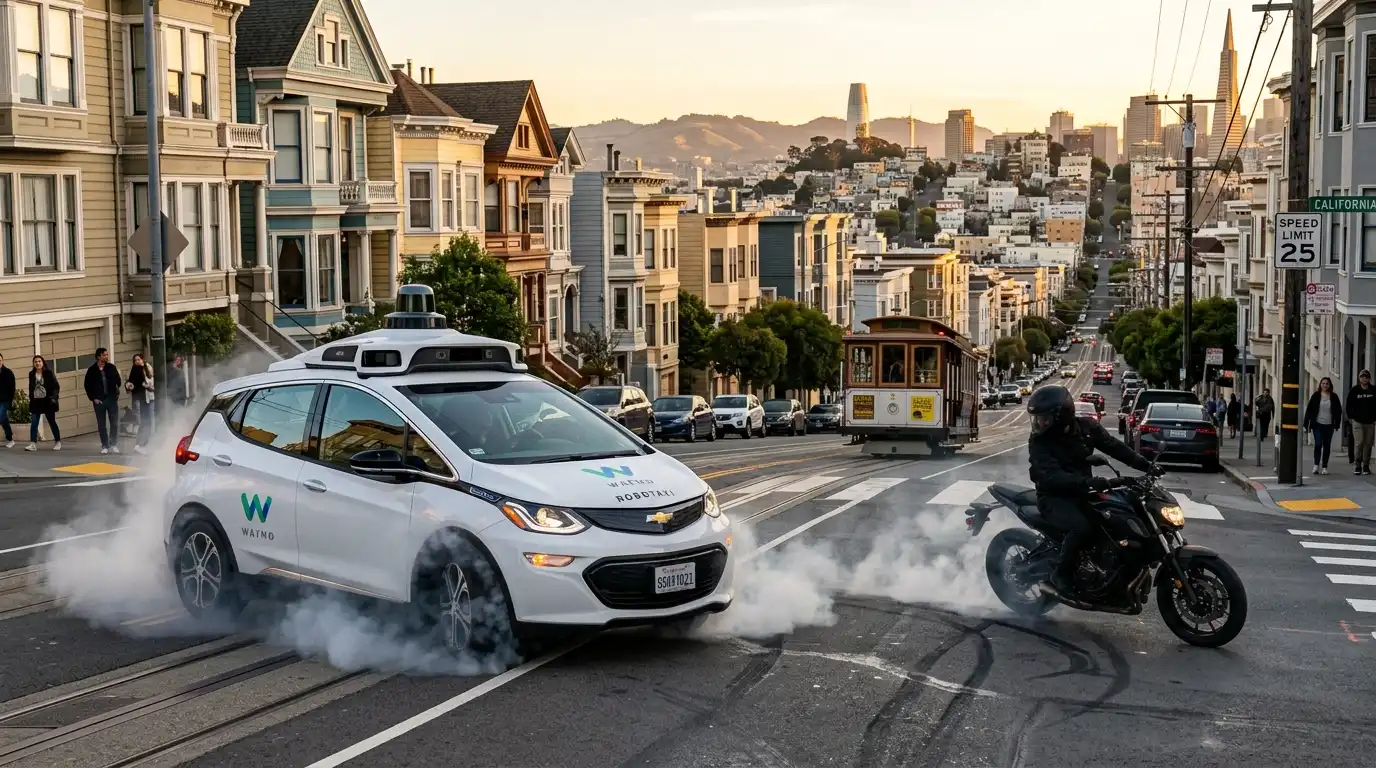
The newest corporate strategy relies heavily on digital forensics and vehicular telemetry. Defense insurers are no longer just relying on biased eyewitness statements or vague police reports to dispute liability. Instead, they are routinely subpoenaing high-definition, AI-powered dashcam footage from rideshare vehicles, commercial delivery fleets, and smart city traffic sensors. By feeding this data into advanced motion-analysis software, they calculate precise speed differentials down to the millisecond. The goal? To argue that even though your lane-splitting was technically legal, your execution was “unsafe relative to surrounding traffic flow.” Overcoming these hidden digital traps requires an aggressive san francisco motorcycle accident attorney who knows how to deconstruct flawed computer modeling and preserve your right to full recovery.
The Pure Comparative Negligence Trap
 To understand why insurance companies are investing heavily in telematics data, one must look at how California personal injury law operates. California follows a system of pure comparative negligence. This means that fault in an accident is not an all-or-nothing proposition; a jury or insurance adjuster can assign a specific percentage of liability to multiple parties involved in a single collision.
If you are injured by a negligent driver but are found to be 30% responsible for the crash due to your riding behavior, your final financial settlement will be slashed by exactly 30%. Insurance adjusters understand this mathematical leverage completely. If they cannot deny your injury claim outright, their secondary objective is to aggressively inflate your share of the blame. By utilizing selective telemetry readouts, defense teams can turn a straightforward left-turn or unsafe lane-change case into a complex debate over your speed choices while lane-splitting.
How Motion-Analysis Software Adjusts the Narrative
San Francisco streets are among the most heavily monitored roadways in the country. Autonomous vehicle fleets, delivery vans, and thousands of active rideshare vehicles continuously map and record the urban landscape via high-definition external cameras. Following a severe crash—whether on the gridlocked lanes of the 101, the approaches to the Bay Bridge, or the busy corridors of Market Street—claims adjusters rapidly issue preservation demands to lock down this third-party video footprint.
Once they secure the footage, defense tech experts use motion-tracking software to analyze the motorcyclist’s approach. By counting the video frames it takes for a motorcycle to pass fixed infrastructure points—such as lane reflectors, lane lines, or shadow markers—the software calculates an incredibly precise “delta speed” (the difference in speed between the motorcycle and the surrounding cars).
The defense then relies on guidelines established by the California Highway Patrol (CHP), which suggest that lane-splitting is safest when a rider does not exceed the speed of surrounding traffic by more than 10 miles per hour. If the software determines you were traveling 12 or 15 mph faster than the crawling cars next to you, the insurance company will flag the entire maneuver as inherently reckless, regardless of the fact that their driver initiated an illegal, un-signaled lane change directly into your path.
The Strategy Behind the Loophole: The defense wants the jury to focus entirely on your speed data rather than the driver’s distraction. They use cold, mathematical readouts to create an illusion of absolute certainty, masking the fact that the driver completely failed to check their mirrors or perform a basic shoulder check before changing lanes.
Dismantling the Tech: How a Specialized Attorney Fights Back
Defeating an algorithmic defense requires fighting data with superior data. A seasoned motorcycle injury law firm counteracts corporate telemetry arguments by partnering with independent accident reconstruction specialists, digital forensic experts, and biomechanical engineers. Key investigative steps to dismantling an “unsafe lane-splitting” defense include:
1. Auditing the Full Telematics Stream
Your legal team will issue comprehensive subpoenas for the complete, unedited data files of the at-fault vehicle—not just the short video clip selected by the insurance adjuster. This means pulling the vehicle’s Event Data Recorder (EDR) logs to analyze steering angle sensors, throttle positions, and braking response times. Proving that the driver was adjusting a navigation screen, looking at a rideshare app, or aggressively accelerating immediately before the impact completely shifts the weight of negligence back onto the defense.
2. 3D Spatial Reconstruction & Human Factors Engineering
Using laser-scanning technology, reconstruction experts can recreate the precise geometry of the accident scene in a 3D environment. This allows your attorney to demonstrate the “human factors” involved in the crash. By mapping out blind spots and visibility windows, your legal team can prove that if the driver had executed a standard, legally mandated head-check and mirror scan before moving, the lane-splitting rider would have been clearly visible and the crash entirely avoided.
Why General Practice Personal Injury Lawyers Fall Short

A severe motorcycle collision often results in catastrophic, life-altering trauma, including compound bone fractures, severe road rash, spinal cord injuries, and traumatic brain injuries (TBIs). Motorcyclists face an uphill battle from day one, not only due to their physical recovery but also because of deep-seated cultural biases against riders.
General personal injury firms that handle standard fender-benders rarely possess the technical vocabulary or forensic resources needed to challenge motion-analysis algorithms in court. They often accept police reports at face value or cave under the pressure of complex telemetry data, advising injured riders to settle for lowball offers that fail to cover their long-term medical care, skin graft surgeries, or lost earning capacity. To win, you need a firm that lives and breathes motorcycle dynamics, understands local San Francisco traffic flow, and knows how to break down complex code and physics for a jury.
Protect Your Rights on the Bay Area Roads
California law explicitly protects your right to split lanes safely. An insurance company’s biased computer simulation should never override the truth of what happened on the asphalt. If you were clipped, sideswiped, or cut off by a negligent driver who failed to share the road, you have the right to hold them fully liable for the damage they caused.
Do not allow an insurance adjuster to intimidate you with selective data streams or frame you as the reckless party. Prioritize your immediate medical evaluation, ensure that nearby surveillance assets are preserved before they are deleted, and partner with a dedicated San Francisco motorcycle accident attorney who will aggressively defend your riding rights, dismantle the tech loops, and secure the compensation your recovery demands.