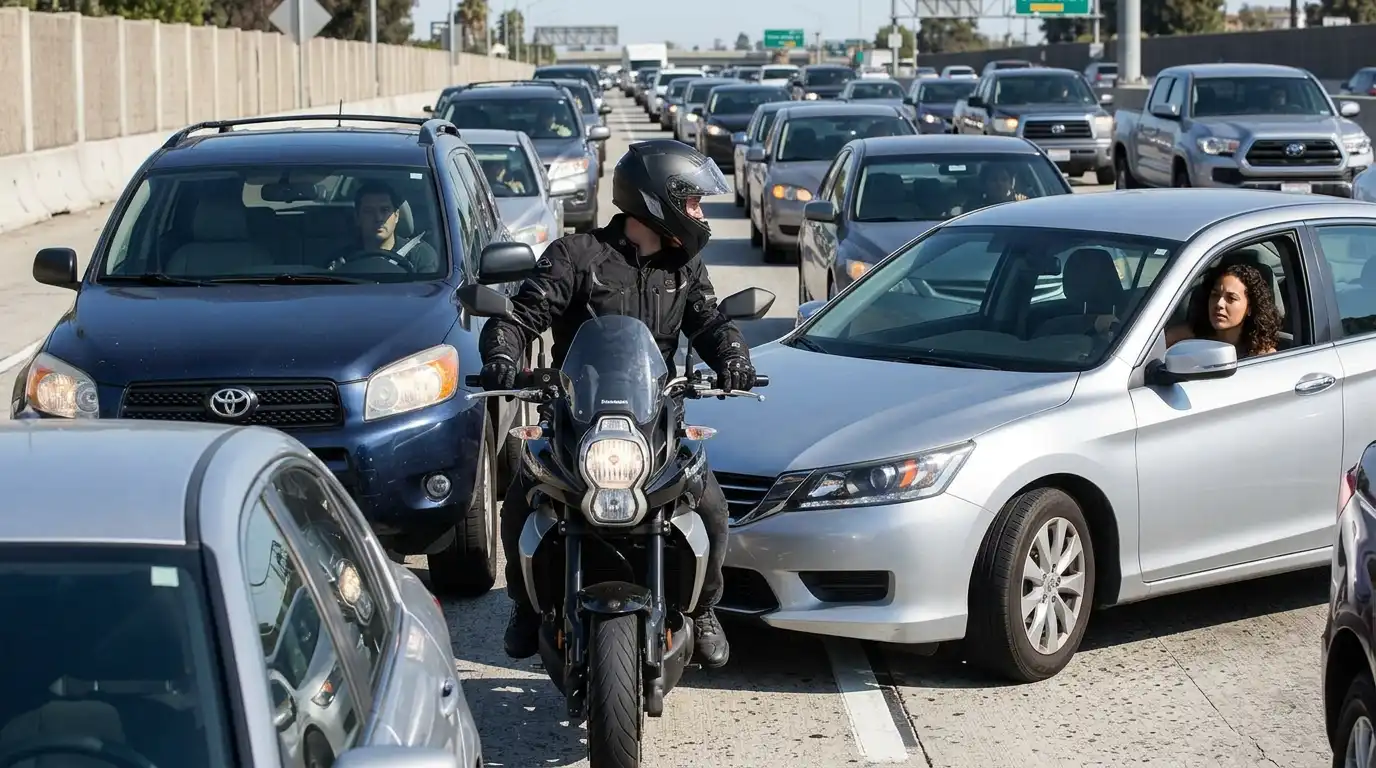
Motorcycle riders in California often use a technique known as lane splitting to move through traffic more efficiently. While this practice can help reduce congestion and shorten commute times, it also introduces unique legal and safety questions when accidents occur.
Lane splitting is legal in California, making the state unique compared to the rest of the United States. However, even though it is allowed, liability in a lane splitting accident is not always straightforward. Determining fault may depend on several factors, including rider behavior, driver actions, traffic conditions, and compliance with safety guidelines.
If you have been injured in a motorcycle crash involving lane splitting, understanding how liability works can help protect your legal rights.
What Is Lane Splitting?
Lane splitting refers to a motorcycle riding between lanes of stopped or slow moving vehicles traveling in the same direction. California law recognizes lane splitting and allows it under specific safety guidelines.
The California Vehicle Code defines lane splitting as a two-wheeled motorcycle riding between rows of vehicles in the same lane or adjacent lanes of traffic. The California Highway Patrol has also issued safety recommendations designed to reduce the risk of accidents while lane splitting.
Even though the practice is legal, improper lane splitting may still contribute to accidents and legal disputes over fault.
Why Lane Splitting Accidents Happen
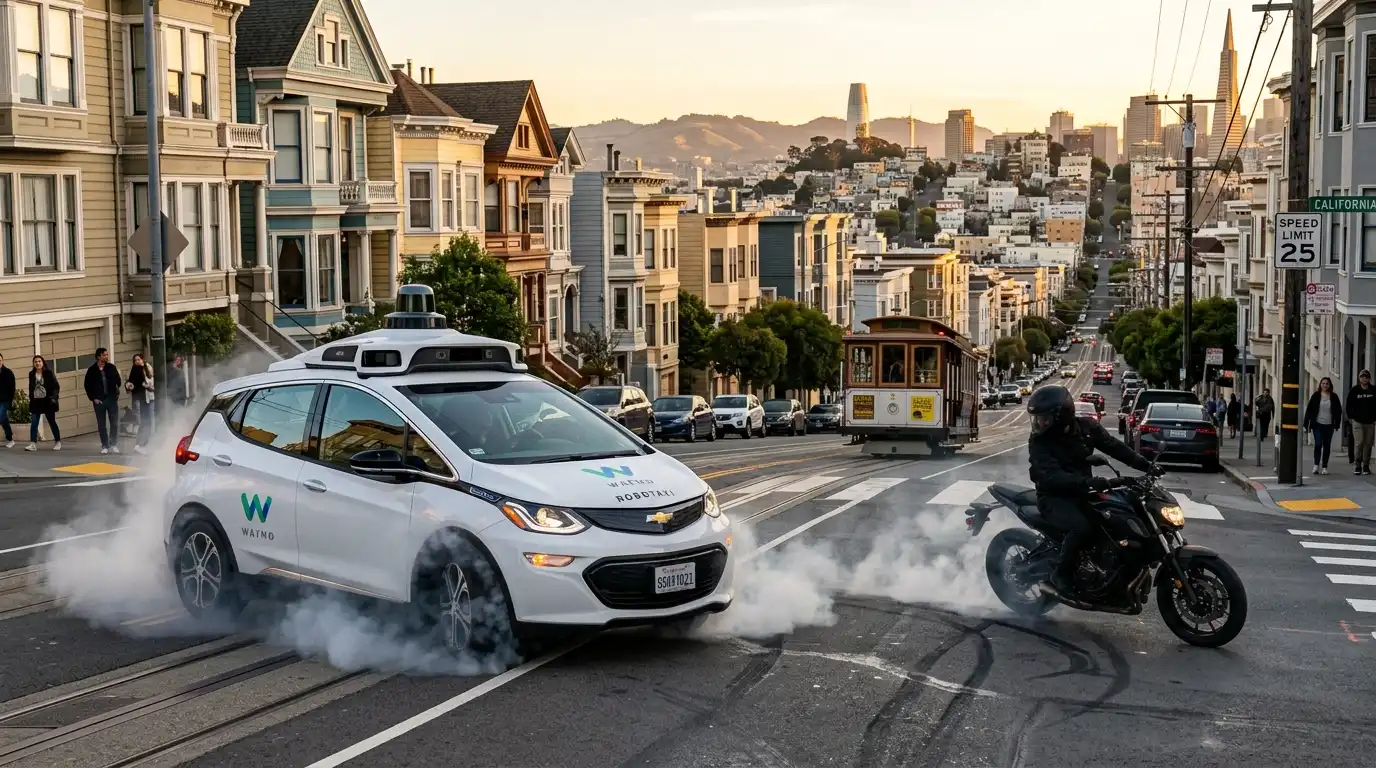
 Motorcycle lane splitting accidents often occur in congested traffic where drivers may not expect motorcycles to pass between lanes. Because motorcycles are smaller and more difficult to see, drivers may change lanes suddenly or open doors without noticing an approaching rider.
Some common causes of lane splitting crashes include:
- Drivers changing lanes without checking blind spots
- Sudden braking in heavy traffic
- Distracted driving
- Unsafe lane splitting at high speeds
- Road hazards between lanes
These situations can lead to serious collisions, especially when motorcycles are traveling close to other vehicles.
Who May Be Liable in a Lane Splitting Accident?
Determining liability in a lane splitting crash often requires a detailed investigation of the accident. Several parties may potentially share responsibility depending on the circumstances.
The Other Driver
Drivers who fail to check their mirrors or blind spots before changing lanes may be responsible for causing a collision with a motorcycle that is lane splitting legally.
The Motorcyclist
If a motorcyclist is lane splitting at an unsafe speed or weaving aggressively through traffic, their actions may also be considered when determining fault.
Shared Liability
In many cases, both the driver and the motorcyclist may share responsibility. California follows a comparative negligence rule, meaning compensation may be reduced based on each party’s percentage of fault.
Evidence That May Help Prove Fault
When investigating a lane splitting motorcycle accident, several types of evidence may help determine what happened.
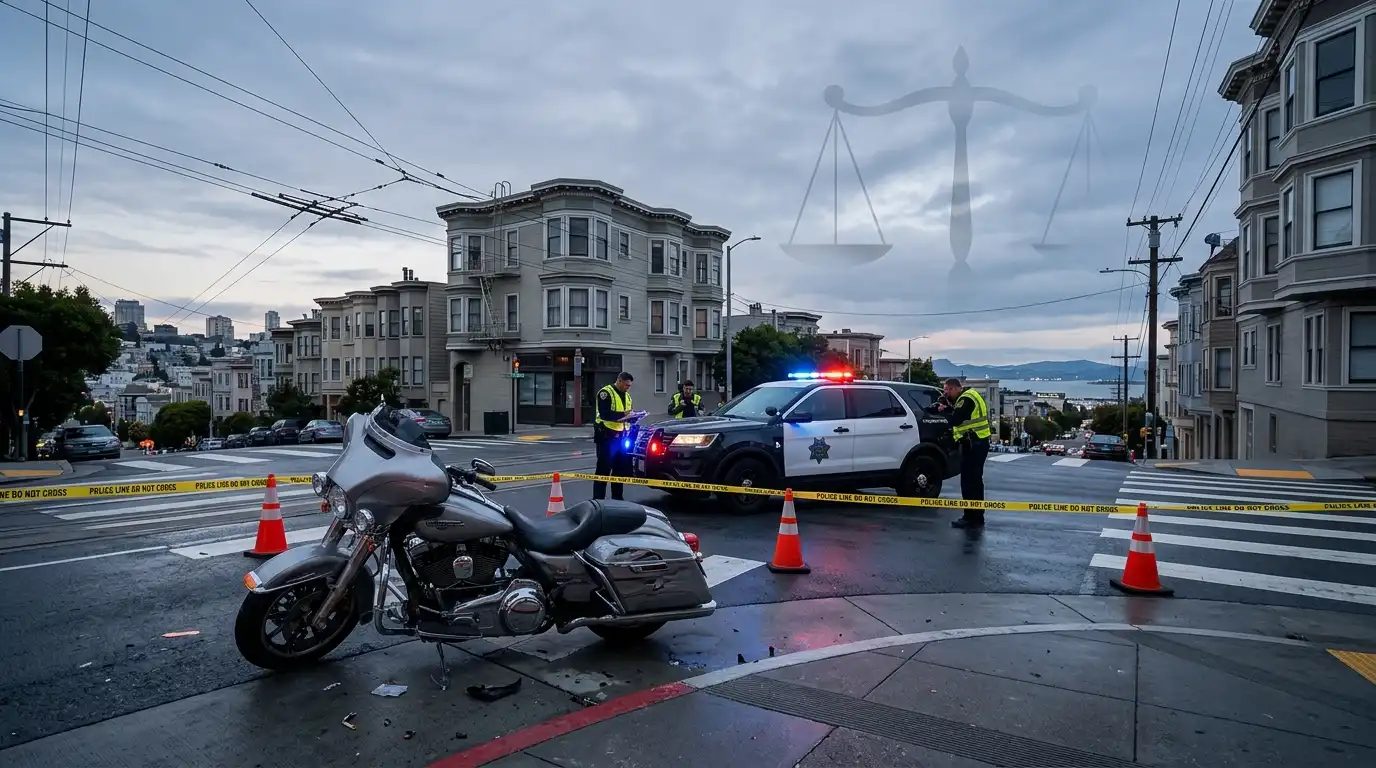
- Police accident reports
- Witness statements
- Traffic camera footage
- Dashcam video
- Photos of vehicle damage and the crash scene
- Medical records documenting injuries
This evidence may help establish whether the motorcyclist was lane splitting safely or whether a driver’s negligence contributed to the crash.
Common Injuries in Lane Splitting Motorcycle Accidents

Because motorcycles offer limited protection, accidents during lane splitting can result in severe injuries.
Some common motorcycle accident injuries include:
- Head injuries and traumatic brain injuries
- Broken bones
- Road rash
- Spinal cord injuries
- Internal bleeding
Medical treatment for these injuries can be extensive, often involving emergency care, surgery, rehabilitation, and long-term recovery.
Steps to Take After a Lane Splitting Motorcycle Accident
If you are involved in a lane splitting accident, taking certain steps may help protect both your health and your legal rights.
- Seek immediate medical attention.
- Report the accident to law enforcement.
- Document the scene with photos and videos.
- Collect contact information from witnesses.
- Keep records of all medical treatment and expenses.
These steps can help ensure that important evidence is preserved following the crash.
Related Articles
If you want to learn more about motorcycle accidents and your legal rights, explore these resources:
- How to Handle a Motorcycle Accident in San Francisco
- What Are Your Rights as a Motorcyclist After an Accident
- How California Motorcycle Laws Impact Your Accident Claim
Understanding your rights and responsibilities as a rider can help you navigate the legal process after a motorcycle crash.