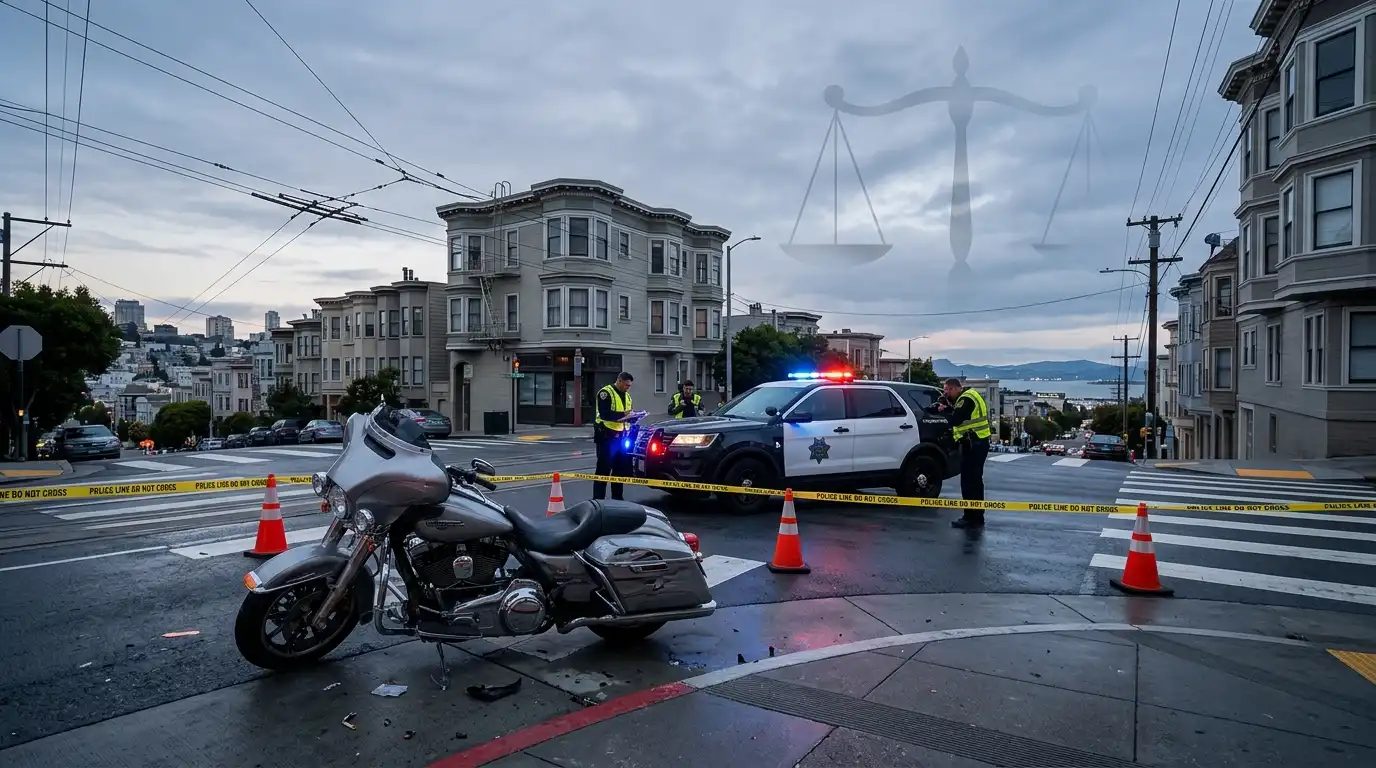
What Is Pure Comparative Negligence in California?

In many states, if you are found to be 50% or more at fault for an accident, you are completely barred from recovering any financial compensation. California operates differently under a standard known as pure comparative negligence, established under California Civil Code Section 1431.2.
Under this system, an injured party can recover damages regardless of their percentage of fault—even if they are determined to be 99% responsible for the incident. However, your total monetary award is reduced in direct proportion to your share of responsibility.
How the Math Works in Practice
To understand how pure comparative fault functions during settlement negotiations or in court, consider a typical scenario:
- Total Proven Damages: $100,000 (covering medical bills, lost earnings, and pain and suffering).
- Fault Determination: An investigation finds a left-turning driver failed to yield, placing them 80% at fault. However, the insurer argues you were traveling slightly over the posted speed limit, assigning you 20% of the fault.
- Final Payout: Your total award of $100,000 is reduced by 20% ($20,000). You receive $80,000.
Because every percentage point assigned to you directly reduces your recovery check, insurance providers fight aggressively to shift as much blame onto the motorcyclist as possible.
Common Scenarios Where Rider Fault Is Unfairly Contested
Motorcyclists often face an uphill battle against biased assumptions. Insurance adjusters frequently attempt to leverage common traffic situations unique to riders to assign unfair portions of fault.
1. Lane Splitting Controversies
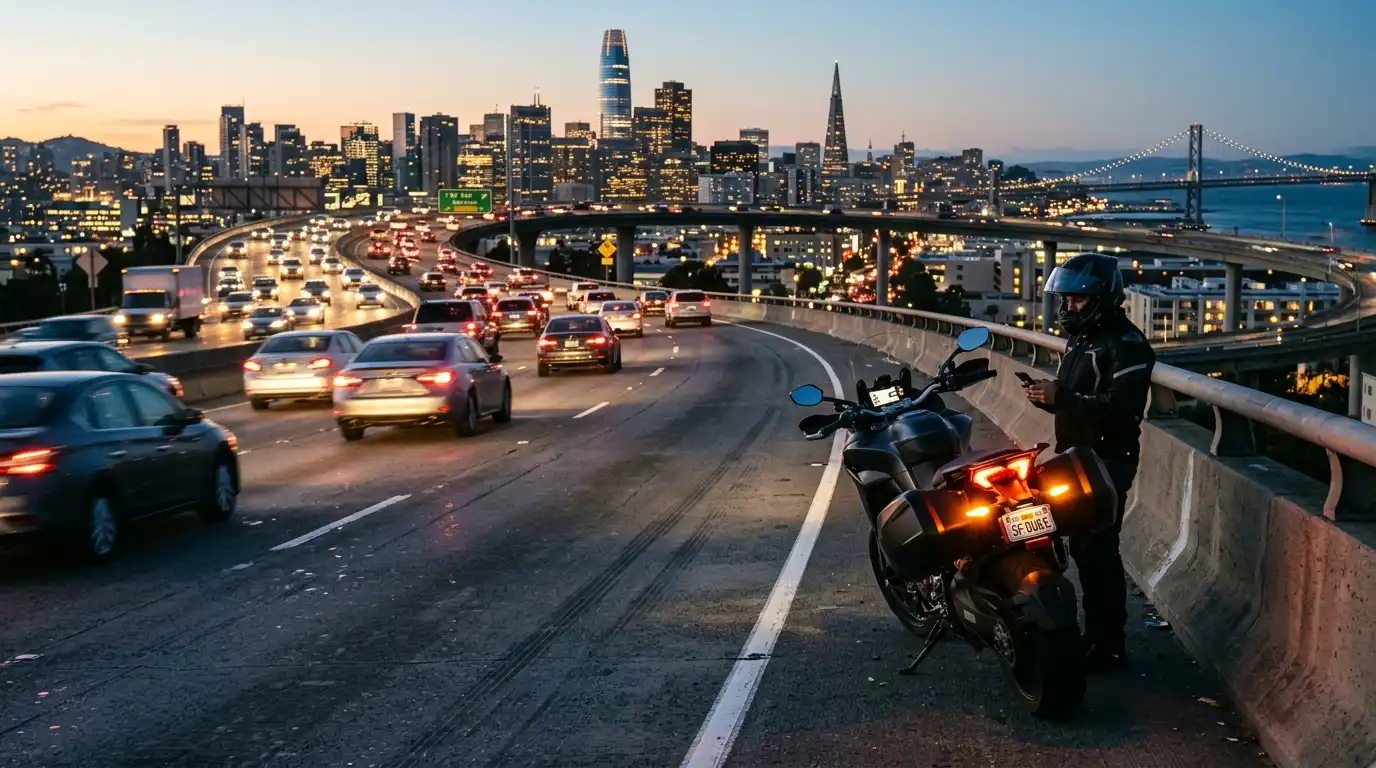
Lane splitting—riding between lanes of stopped or slow-moving traffic—is explicitly legal in California under California Vehicle Code Section 21658.1. Despite this clear legal authorization, insurance companies often try to argue that any rider engaged in lane splitting was driving recklessly or unexpectedly. Proving that your lane splitting was executed prudently and within speed differentials is critical to preventing an improper fault assignment.
2. Left-Turn Collisions
Vehicle drivers making left turns across oncoming traffic cause a significant portion of motorcycle crashes. While driver failure to yield is usually the primary cause, defense attorneys routinely argue that the motorcyclist was speeding or had enough time to brake, attempting to convert a clear liability case into a shared fault dispute.
3. Urban Hazards and San Francisco Traffic
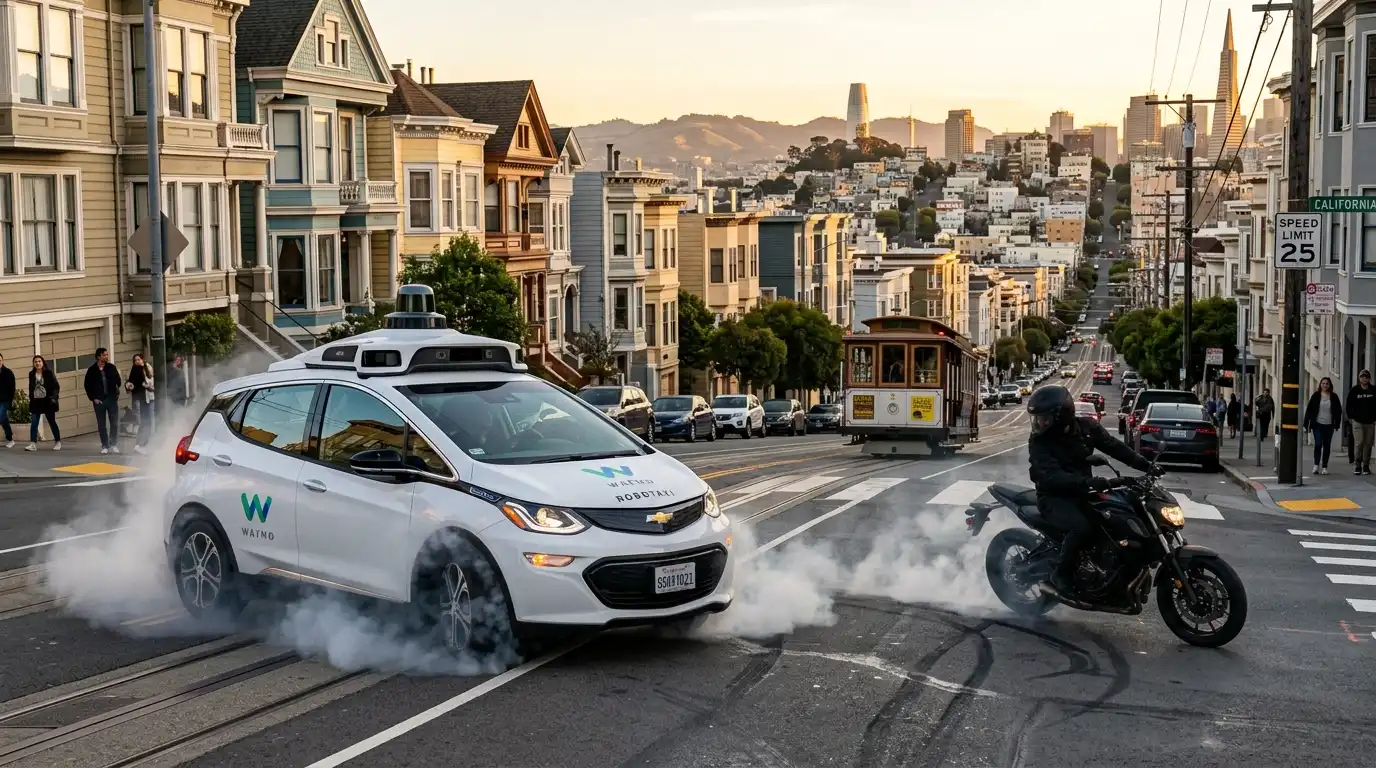
Navigating San Francisco streets presents unique challenges, including cable car tracks, steep inclines, obscured sightlines, and sudden driver maneuvers. When a collision happens in dense traffic, insurers often claim the rider failed to keep a proper lookout or maintain a safe following distance.
How Insurance Companies Use Comparative Fault Against You
Insurance adjusters are trained negotiators whose main goal is minimizing payout liabilities. In comparative negligence claims, they rely on specific tactics:
- Recorded Statements: Adjusters ask leading questions soon after the crash, aiming to capture offhand remarks (such as “I didn’t see them coming until the last second” or “I might have been going a little fast”) to establish partial responsibility.
- Delaying Tactics: Prolonging investigations until physical evidence disappears or witness memories fade makes it harder for the rider to dispute initial fault percentages.
- Lowball Initial Offers: Offering early settlements that artificially deduct a large percentage for alleged “rider contribution” before full medical damages are evaluated.
How Legal Counsel Protects Your Recovery
Overcoming bias and disputing exaggerated fault claims requires clear physical evidence and legal advocacy. An experienced attorney takes crucial steps to protect your compensation share:
- Preserving Digital and Physical Evidence: Securing nearby surveillance camera footage, dashcam recordings, traffic camera feeds, and vehicle black box/telemetry data before it is overwritten.
- Accident Reconstruction: Partnering with professional reconstruction experts to analyze skid marks, point of impact, resting positions, and speeds to establish precise collision physics.
- Challenging Police Report Errors: Officers arriving at complex crash scenes can misinterpret facts or rely heavily on statements from drivers who claim they “never saw the motorcycle.” Counsel ensures these errors are formally contested.
- Direct Insurance Negotiation: Shielding you from recorded statements and handling all communications directly to ensure your legal rights remain intact.
Steps to Take Immediately After a Crash
 If you are involved in a motorcycle accident in the Bay Area, taking key steps right away helps shield you from unfair fault assignments later:
- Seek Immediate Medical Attention: Prompt medical evaluation creates an official timeline linking your injuries directly to the collision.
- Document the Scene: Take photos and video of vehicle positions, road conditions, traffic signals, skid marks, and visible injuries if safe to do so.
- Gather Witness Contacts: Independent witness statements are critical neutral evidence when driver and rider accounts conflict.
- Avoid Discussing Fault: Speak factually with law enforcement, but do not apologize or speculate on your speed, distance, or actions.
- Consult a Lawyer Before Contacting Insurers: Get professional legal guidance before giving recorded statements to any insurance provider.
Protect Your Rights and Secure Full Compensation
Shared fault claims under California’s pure comparative negligence system require careful handling. Even when you bear minor responsibility, you retain the legal right to seek recovery for medical care, lost wages, and long-term damages from the primary negligent party.
If you or a loved one were injured in a motorcycle collision in San Francisco or the surrounding Bay Area, do not let insurance adjusters dictate your level of fault. Contact our experienced team today for a free case evaluation to discuss your claim options and safeguard your financial recovery.